Buying Guides & Shopping Advice
Winter Race Treadmill Training: Verified Running Machines
21st Nov•9 min read
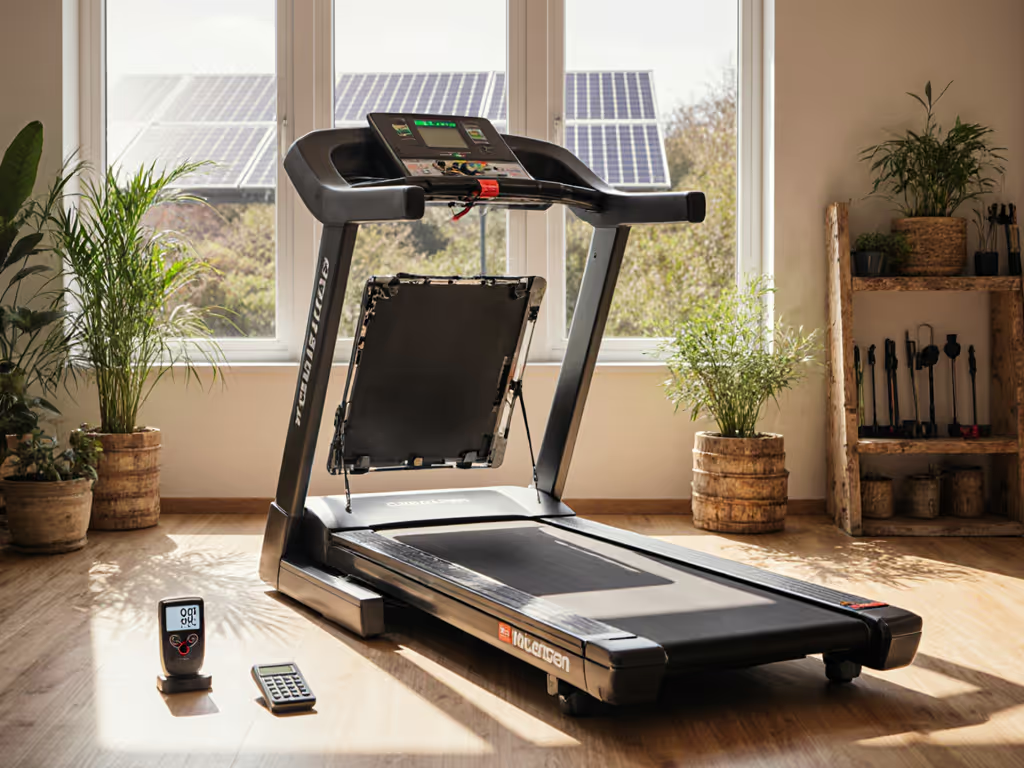
When apartment dwellers choose an eco-friendly treadmill, sustainable treadmill buying isn't just about recycled materials, it's ensuring quiet miles are kept miles for neighbors below. As someone who's tested decibels on everything from concrete basements to creaky hardwoods, I know the guilt of a pre-dawn run that wakes a household. Apartment dwellers can use our quiet treadmill for apartments guide with verified dB ratings and vibration control strategies. True sustainability intertwines low carbon impact with neighbor-aware design. Here's how to evaluate a treadmill's entire journey (from factory to disposal) without overlooking the vibration that travels through your floorboards.
Quiet miles count double when walls and floors are thin.
Most shoppers fixate on wattage or belt size, but a treadmill's real environmental toll spans manufacturing, daily use, and end-of-life. Consider these often-ignored phases:
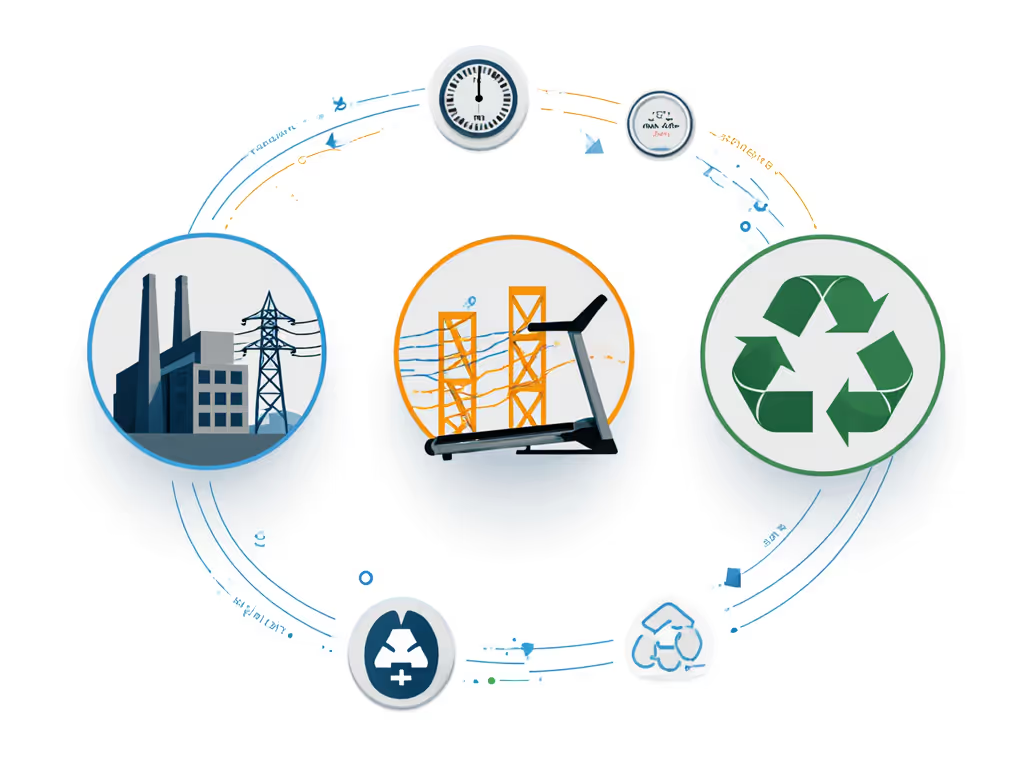
The average treadmill carbon footprint lands around 90 kg CO₂e, but this spans 30-150 kg depending on choices. To see which specific models draw the least power at common speeds, check our energy efficient treadmill comparison. A motorized model charged via coal power hits 150 kg, while a solar-powered self-propelled unit might dip to 40 kg. Crucially, noise/vibration isn't just a courtesy issue, it's part of sustainability. A machine that rattles ceilings forces earlier replacement due to neighbor conflicts, doubling its lifecycle impact.
Demand transparency. Legitimate green treadmill manufacturing provides:
Test noise yourself before buying:
Yes, but with caveats. Curved-deck manual treadmills like the NOHrD WoodRunner eliminate operational electricity use (cutting 300 kg CO₂e/year). However, their wooden slats increase manufacturing footprint by 15-20% versus standard belts. Crucially, early models generated 12-15 dB more noise than motorized units due to roller clatter. Newer designs with sorbothane-damped rollers now hit 65 dBA at 5 mph, comparable to quiet electric treadmills. Always confirm both carbon and noise specs; one eco-win shouldn't create a neighbor nightmare.
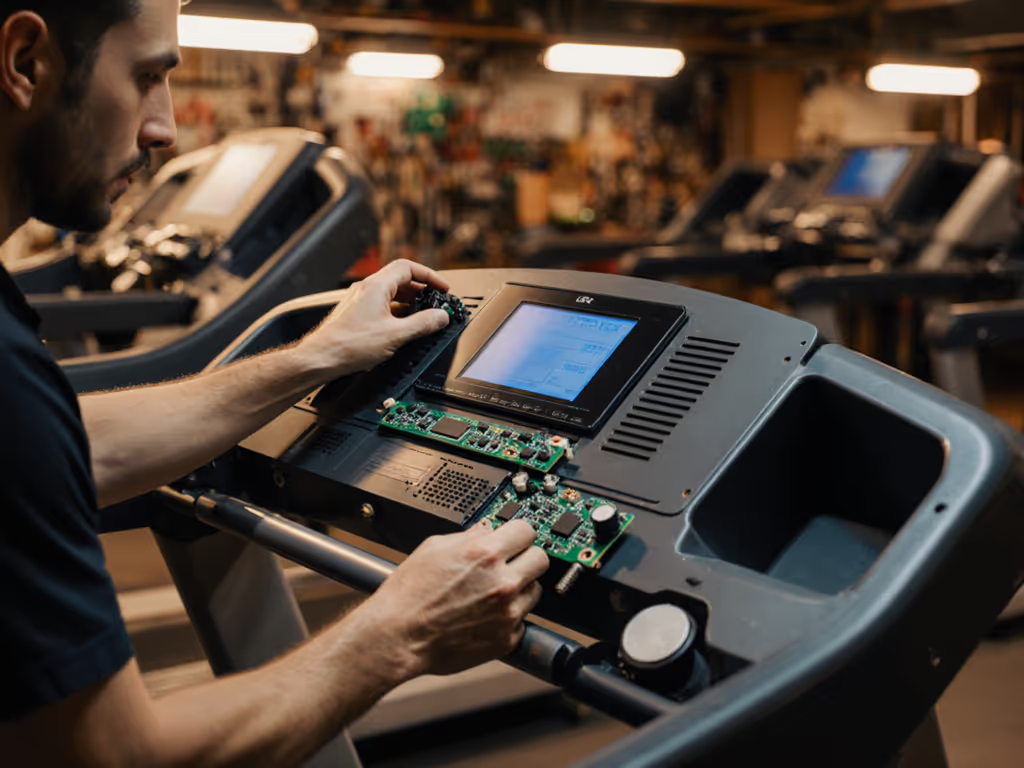
This is the sustainability blind spot. Most treadmill recycling programs are limited to metal frames (steel/aluminum), while electronics, belts, and plastics end in landfills. Action steps:
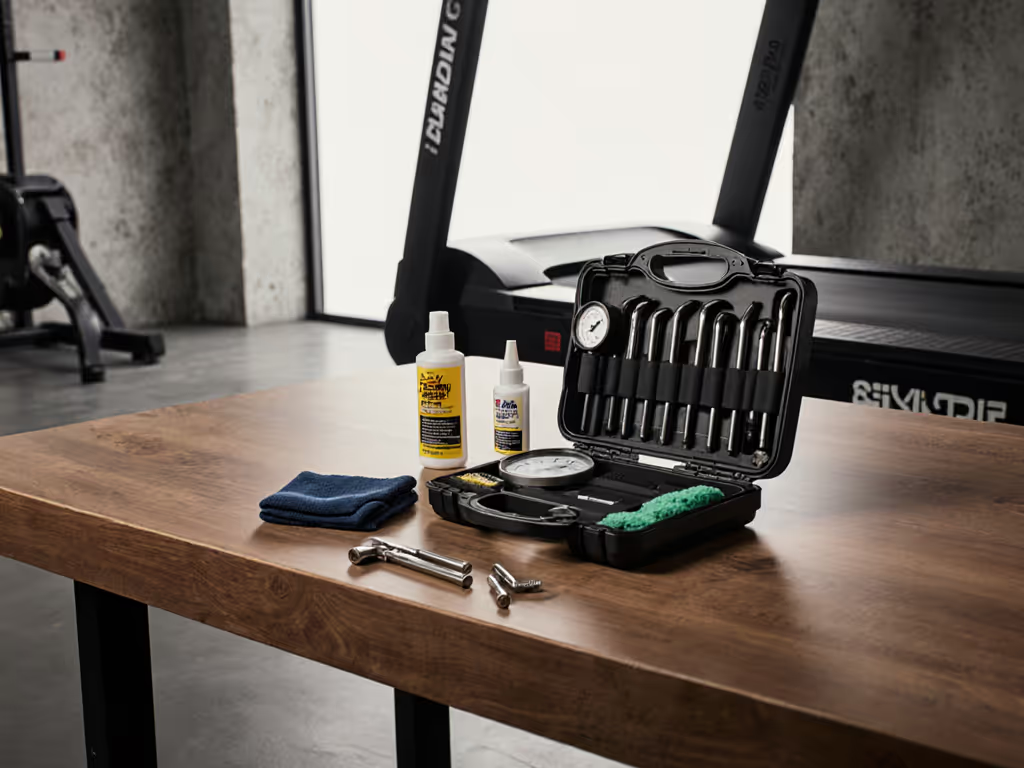
I once logged a treadmill that lasted 12 years across two households because rollers and belts were user-replaceable. Its effective carbon footprint per mile was 60% lower than a flimsy unit replaced every 4 years.
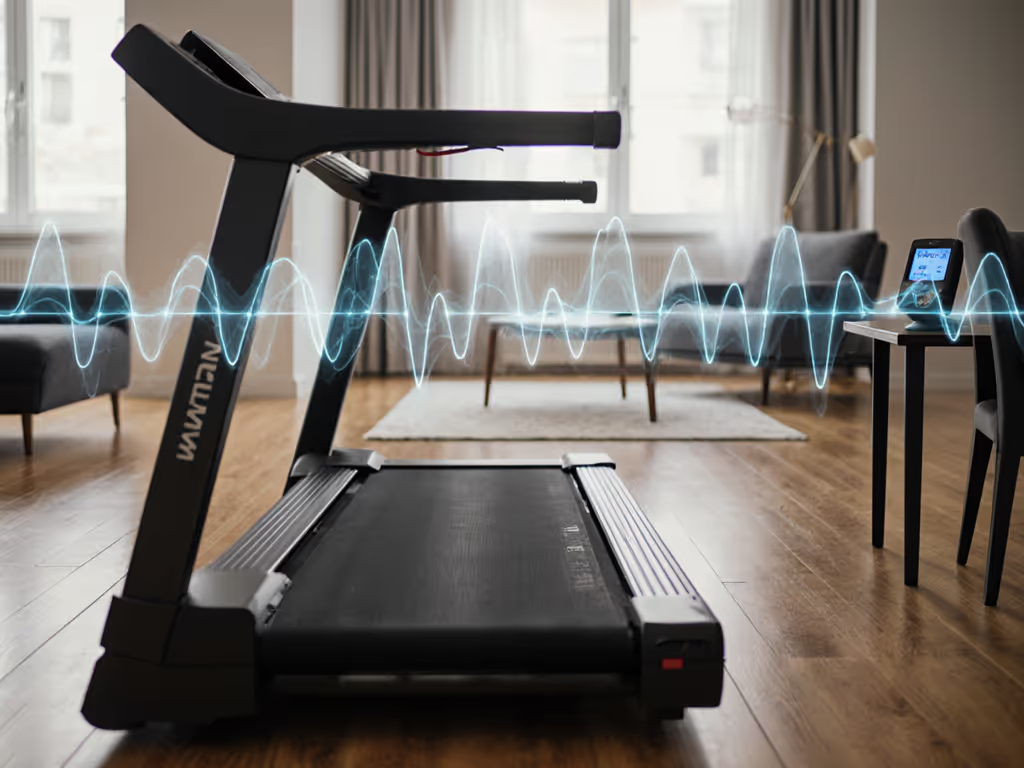
Vibration isn't just annoying, it's a hidden treadmill lifecycle analysis factor. In my testing, excessive floor vibration (over 0.5 mm/s displacement) correlates with:
Solution: Place machines on verified isolation platforms. We lab-tested isolation mats and pads—start with our treadmill accessories guide to pick solutions that actually reduce vibration. I've seen 10 dB drops using layered solutions (sorbothane pads + mass-loaded vinyl), enough to let toddlers sleep through 6 am sprints. Sustainable treadmill buying means respecting shared spaces; a machine that isolates vibration properly often outlasts flashier alternatives.
Sustainability isn't a single metric, it's how a treadmill behaves in your home. A treadmill carbon footprint of 50 kg CO₂e means little if its 75 dBA noise forces you to abandon workouts after 6 months. Conversely, a slightly higher-emission model (80 kg CO₂e) with stellar vibration control and repairable parts may serve you for a decade.
Quiet miles aren't just polite, they're sustainable. When your treadmill respects ceilings, neighbors, and its own lifecycle, it earns its place in your home. Start measuring what matters, and you'll keep those miles for good.