Training, Technique & Workouts
Treadmill Chronic Fatigue Protocol: Pacing To Avoid PEM
21st May•10 min read

When you're managing diabetes at home, treadmill diabetes management becomes a powerful tool for consistent, measurable activity. Pairing your daily walk or jog with proper blood glucose monitoring transforms your blood sugar treadmill workout into a strategic health asset. As a former mobile treadmill tech who's seen countless machines fail due to simple neglect, and countless users struggle with inconsistent exercise, I know that a well-maintained treadmill is your best partner for reliable diabetes management. Preventive care beats warranty claims nine days out of ten.
Research confirms that structured aerobic activity like treadmill walking improves insulin sensitivity for up to 72 hours post-exercise. A study published in Diabetes Care demonstrated that pedometer-based walking programs increased daily steps by 1,200 in type 2 diabetes patients, resulting in a 0.38% lower A1C after one year compared to controls. The consistent environment of a home treadmill eliminates weather barriers that often disrupt outdoor walking routines, critical for maintaining the regularity your blood sugar needs. For a deeper comparison of mechanics and joint impact, see our treadmill vs outdoor running guide.
For optimal results, aim for 30 minutes of moderate-intensity walking most days. Start at 2.5-3.5 MPH, gradually building duration before increasing speed. The American Diabetes Association recommends spacing sessions no more than 72 hours apart to maintain insulin sensitivity benefits.
Check your blood sugar 30 minutes before stepping on the treadmill. Target a pre-exercise range of 100-250 mg/dL. If you're below 100 mg/dL, consume 15 grams of fast-acting carbohydrates (like glucose tabs or fruit juice) and retest in 15 minutes. If you're above 250 mg/dL with ketones present, postpone exercise, as this indicates potential insulin deficiency that could worsen hyperglycemia during activity.
I once serviced a treadmill where the owner had stopped using it entirely because of unexplained blood sugar crashes. Turns out he was exercising immediately after his insulin dose without adjusting timing. Small adjustments (like moving workouts to 90-120 minutes after meals) can make all the difference.
For sessions exceeding 30 minutes, check at the 20-30 minute mark (this is when hypoglycemia typically begins for insulin users).
If you're on insulin or medications that cause hypoglycemia (like sulfonylureas), check mid-workout if exercising longer than 30 minutes. Keep your meter or CGM visibly positioned near the handrails, not buried in a drawer where you can't monitor in real-time. I've seen too many users abandon their treadmill routines because they experienced unmonitored crashes that made them fear exercise.
People with type 1 diabetes should consider continuous glucose monitoring (CGM) during workouts. A Diabetes Journal study found CGM detected 72% more hypoglycemic events than self-monitoring during exercise, many asymptomatic episodes users would have missed entirely.
Evening exercise carries a significant risk of nocturnal hypoglycemia, often occurring 6-15 hours post-workout. If you exercise after dinner, consider:
These adjustments matter more than you might think. One treadmill owner I helped was waking with morning readings in the 60s, and after checking his late-night logs, we discovered consistent 80s at 2 AM that he'd never caught. Simple protocol changes eliminated his crashes.
Create a preflight routine that takes less than 2 minutes but prevents crashes:
This same checklist that keeps treadmills running safely also supports consistent blood sugar management. Remember: a malfunctioning treadmill can disrupt your routine just as effectively as a blood sugar crash. Review essential treadmill safety tips to prevent falls and use emergency features correctly.
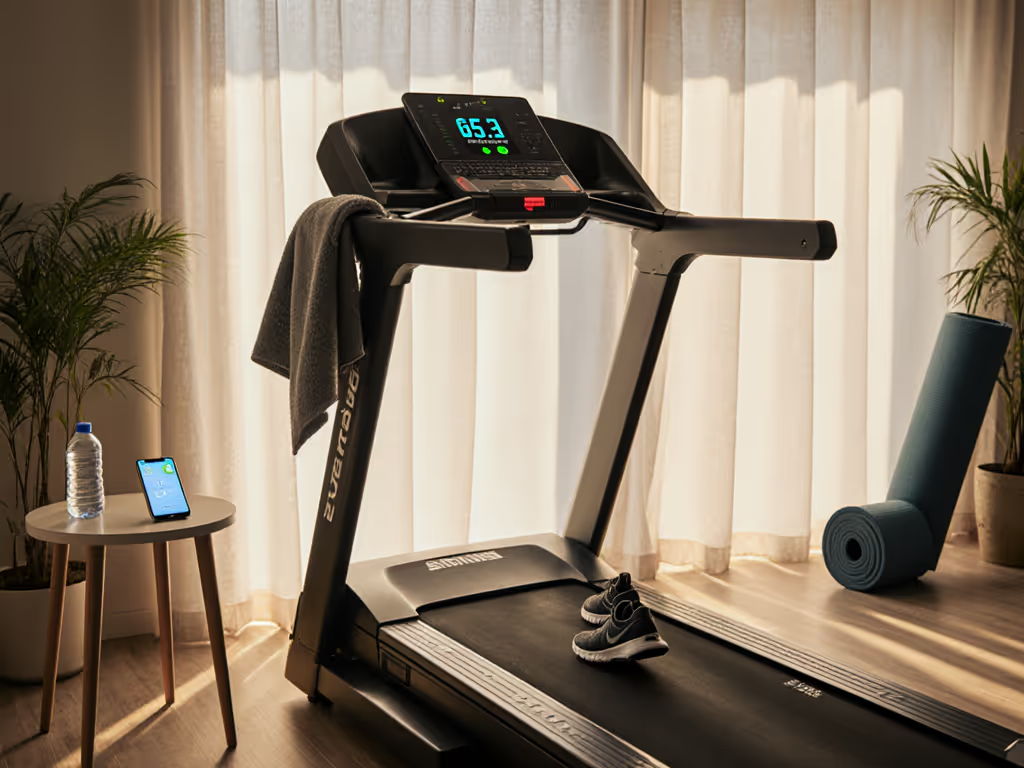
Always have these within arm's reach:
Position these on a small shelf beside your treadmill, not across the room where you'd have to step off during a hypo. Smart layout prevents dangerous dismounts when you're feeling shaky. Consider adding treadmill accessories that improve safety and reduce noise to keep your setup convenient and reliable.
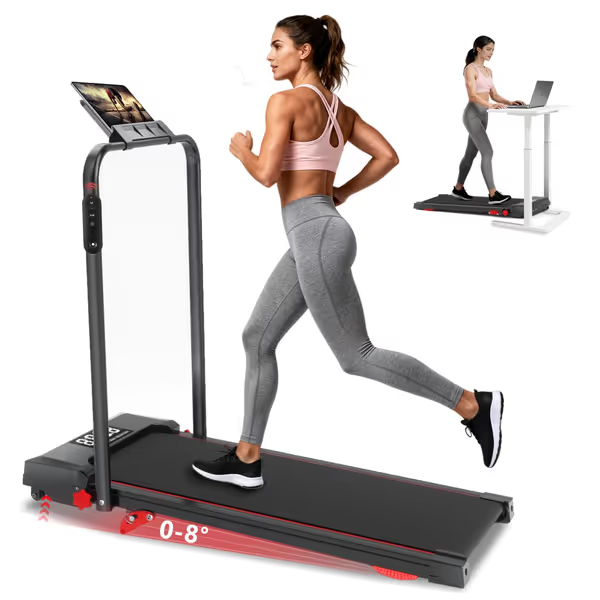
Don't just track steps; correlate treadmill metrics with blood sugar patterns. I recommend keeping a simple log for two weeks:
| Workout Duration | Pre-Exercise BG | Post-Exercise BG | Notes |
|---|---|---|---|
| 30 min @ 3.0 MPH | 142 mg/dL | 118 mg/dL | No snack, moderate drop |
| 45 min @ 3.5 MPH | 165 mg/dL | 89 mg/dL | Ate 1 hour pre-workout |
This data reveals your personal response patterns. Many users discover their optimal workout timing aligns with specific medication peaks, information that transforms treadmill sessions from guesswork to precision therapy.
A noisy, jerky treadmill becomes something you avoid, not something you use daily. Basic preventive care saves both machines and routines:
Plainspoken truth: dry belts cause more treadmill abandonment than any other issue. Five minutes of monthly maintenance prevents $500 in repair costs and preserves your exercise consistency. As I tell every client: buy once, keep moving.
Treadmill diabetes management works when you treat the machine as carefully as you treat your health metrics. Consistent, predictable equipment supports consistent, predictable blood sugar control. Integrate simple maintenance into your routine just as you would your pre-workout snack, and remember that the most expensive part of any treadmill is the one you stop using.
For those looking to deepen their understanding, consider reviewing the American Diabetes Association's position statement on physical activity, which details evidence-based protocols for various diabetes types and complications. Knowledge paired with reliable equipment creates the foundation for success.
Preventive care beats warranty claims nine days out of ten.
Service your routine like you service your treadmill: with consistency, attention to detail, and an eye toward long-term reliability.